
Nathan's Notes

Welcome back to Nathan’s Notes!
I break down the top stories and latest research so you don’t have to dig through journals or headlines each day. Let’s get into it.
Healthcare News
DOJ expands healthcare fraud enforcement with new West Coast strike force
PA group challenges student loan caps affecting healthcare workforce pipeline
Hantavirus outbreak on cruise ship causes deaths, global risk remains low
Supreme Court temporarily restores nationwide access to abortion pill mifepristone
Research
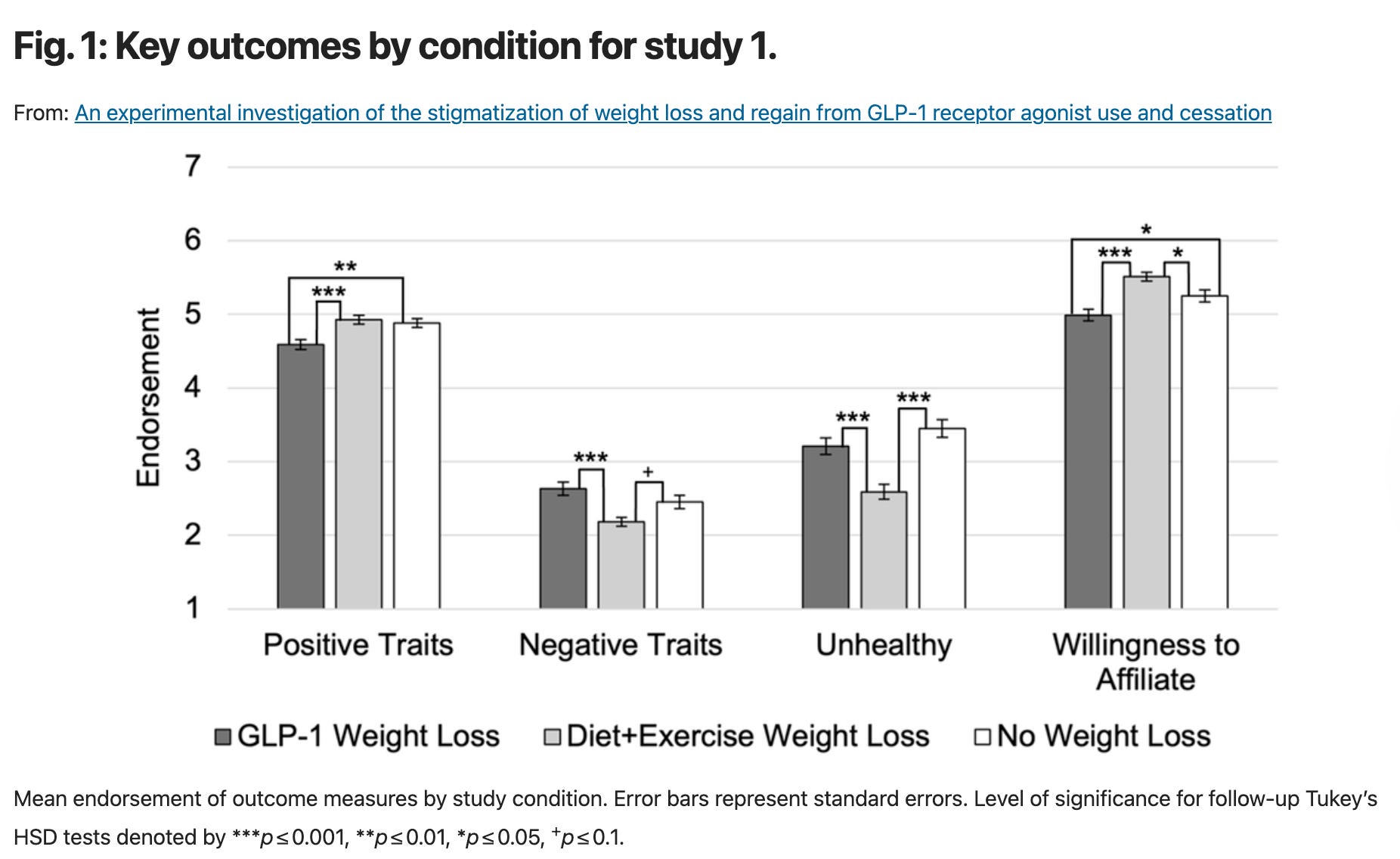
GLP-1 weight loss linked to stigma compared to diet methods
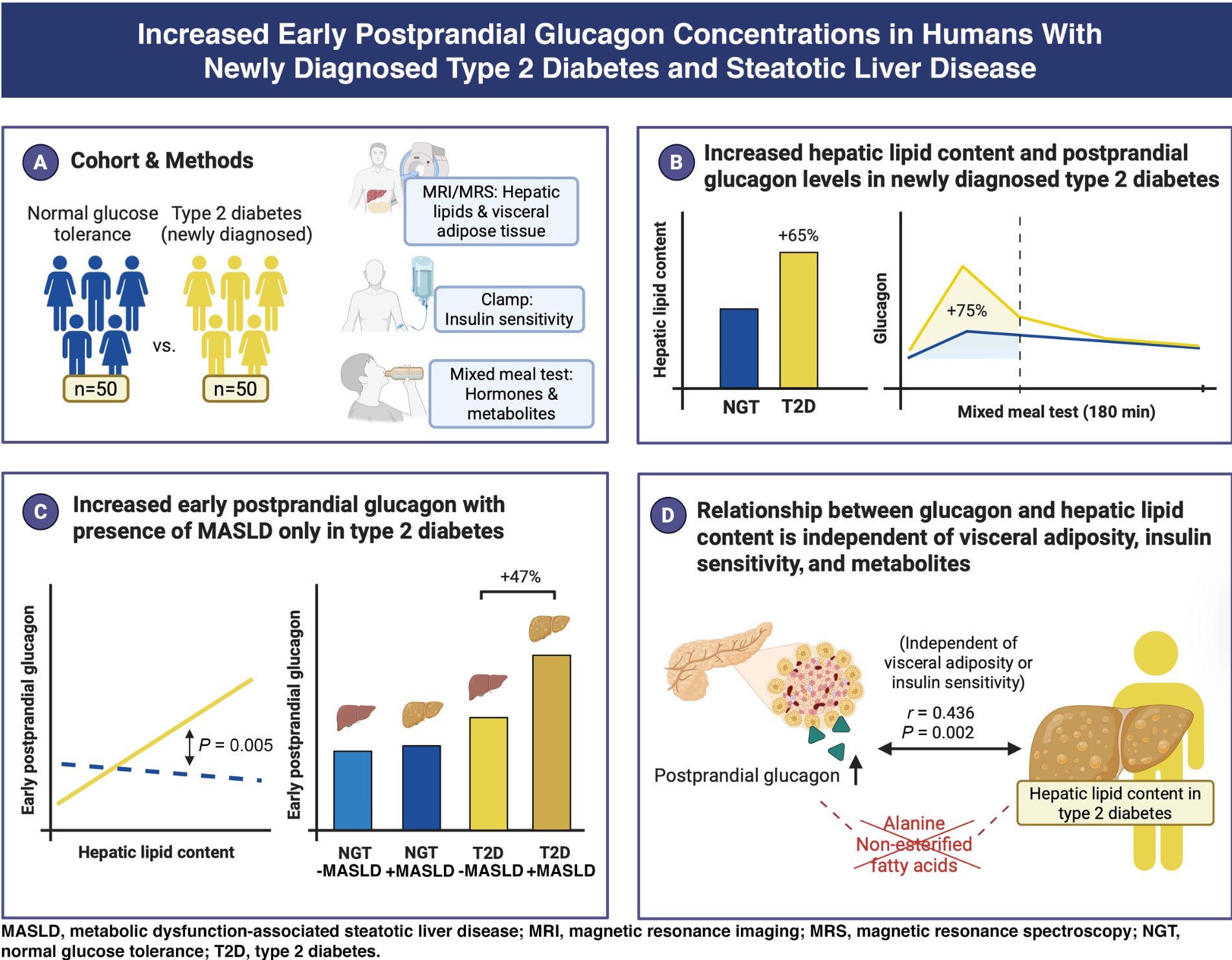
Early type 2 diabetes shows higher liver fat and glucagon
Cannabis leads microdosing trend, especially among those with poorer mental health
I’m a med student putting these together alongside classes and clinicals, so every bit of support means a lot. These summaries aren’t thrown together. I spend time vetting stories and adding context so you get the key takeaways quickly. If you value the free daily roundup and want to help keep it going (and growing), becoming a paid subscriber makes a real difference. Thanks for reading.
DOJ Launches West Coast Health Care Fraud Strike Force
The Department of Justice is expanding its fight against healthcare fraud with a new West Coast Health Care Fraud Strike Force. This effort brings together federal prosecutors and U.S. attorney’s offices in Arizona, Nevada, and Northern California to better coordinate cases. The DOJ says these regions are seeing more fraud activity, especially as Northern California continues to grow as a major hub for health tech.
This strike force model has been around for nearly 20 years and has become one of the government’s main tools to go after fraud. So far, it has helped charge more than 6,200 people linked to over $45 billion in fraudulent billing across federal programs and private insurers. The DOJ has been expanding these teams in recent years, including in New England, showing a bigger nationwide push to crack down on healthcare fraud.
PA Group Plans Lawsuit Over Student Loan Cap Policy
The American Academy of Physician Associates says it plans to sue over a new Trump administration policy that limits how much certain healthcare students can borrow. Under the rule from the United States Department of Education, physician assistants, nurse practitioners, and some other health professionals are excluded from higher federal loan caps. Programs labeled “professional,” like MD or clinical psychology, can borrow up to $200,000, while others are capped at $100,000.
The group says the policy is already creating confusion and could push students away from these careers at a time when the healthcare system needs more providers. Officials say the goal is to lower graduate program costs, but critics argue it unfairly targets key parts of the workforce. PA leaders warn this could have long-term effects on patient access if fewer students can afford to enter the field.
Hantavirus Outbreak Reported on Cruise Ship
The World Health Organization reported a cluster of severe respiratory illness aboard a cruise ship, with 7 total cases identified so far, including 3 deaths. Two cases have been laboratory confirmed as hantavirus, while 5 remain suspected. Symptoms ranged from mild illness to severe complications like pneumonia and shock. The ship, carrying 147 passengers and crew, is currently off the coast of Cabo Verde, and response efforts include isolation, medical care, and evacuation.
Hantavirus is a rare but serious disease usually spread through contact with infected rodents, not typically person-to-person. While limited human transmission has been reported in rare cases, the WHO says the overall risk to the global population remains low. Investigations are ongoing, especially to determine how exposure may have happened during the ship’s route through remote regions including Antarctica and the South Atlantic.
Supreme Court Temporarily Restores Access to Abortion Pill
The Supreme Court of the United States has stepped into the ongoing mifepristone legal fight, with Justice Samuel Alito issuing a temporary pause on a lower court ruling that would have required in-person visits to access the drug. For now, this means mifepristone, which is used in about 60% of abortions in the U.S., can still be prescribed through telehealth and delivered by mail or pharmacies nationwide. The pause lasts until May 11 while the Court decides next steps.
If the lower court ruling is ultimately allowed to take effect, it could limit access even in states where abortion remains legal by removing mail and pharmacy options. Supporters of access say this would hit rural and underserved patients the hardest, while opponents argue stricter rules are needed for safety. The decision could have major nationwide effects, especially since medication abortion has become more important after the Dobbs v. Jackson Women’s Health Organization ruling.
GLP-1 Weight Loss Linked to Social Stigma
A study published in the International Journal of Obesity found that people who lose weight using GLP-1 medications may be judged more negatively than those who lose weight through diet and exercise. Participants were less willing to associate with someone who used a GLP-1, with social ratings about 20% lower compared to the diet/exercise group and about 10% lower compared to someone who didn’t lose weight.
The stigma also showed up when weight was regained. People who regained weight after stopping GLP-1s were viewed just as negatively as those who regained weight after diet and exercise, and both groups were rated worse than someone who kept the weight off. Overall, the findings suggest stigma can follow people through the entire weight loss cycle, not just during treatment.
Early Type 2 Diabetes Linked to Higher Liver Fat and Glucagon
A new study found that people with newly diagnosed type 2 diabetes had about 65% more liver fat and higher glucagon levels compared to people with normal glucose levels. Fasting glucagon was about 30% higher, and after meals it was about 75% higher. The researchers also found that people with both fatty liver disease (MASLD) and type 2 diabetes had about 47% higher early post-meal glucagon levels compared to those without both conditions.
Interestingly, these changes weren’t explained by insulin resistance, body fat distribution, or common metabolic signals like amino acids or free fatty acids. Instead, the findings suggest the liver may become resistant to glucagon early in type 2 diabetes, which could help explain why both liver fat and glucagon levels rise at the same time.
Cannabis Leads Microdosing in the U.S.
A study published in the American Journal of Preventive Medicine found that cannabis is the most commonly microdosed substance in the U.S., with about 9.4% of adults (around 24 million people) reporting lifetime use. That’s nearly double the rates for psychedelics like psilocybin (5.3%) and LSD (4.8%), challenging the idea that microdosing is mainly a psychedelic trend. Ongoing use is lower but still notable, with about 3.3% of adults currently microdosing cannabis compared to around 1% or less for other substances.
The study also found microdosing is more common among people with worse mental health, with about 21% of those reporting “poor” mental health using cannabis this way compared to about 8% of those reporting “excellent” mental health. Most people reported microdosing for recreational reasons, not structured medical protocols, suggesting many are simply trying to use smaller amounts rather than fully avoid effects.
That’s it for today’s Nathan’s Notes.